Astha D Destiny

Navigation only. Page content stays in its original language (usually English).

This preference is stored only in this browser, not in your account.

Begin learning

Mobile navigation

Navigation only. Page content stays in its original language (usually English).

This preference is stored only in this browser, not in your account.

Back to Sanatan Knowledge Hub

24 Vishnu Avatara — Scriptural Enumeration

Derived directly from Srimad Bhagavata Purana Canto 1 Chapter 3

Explore avatars About this collection
24 source records
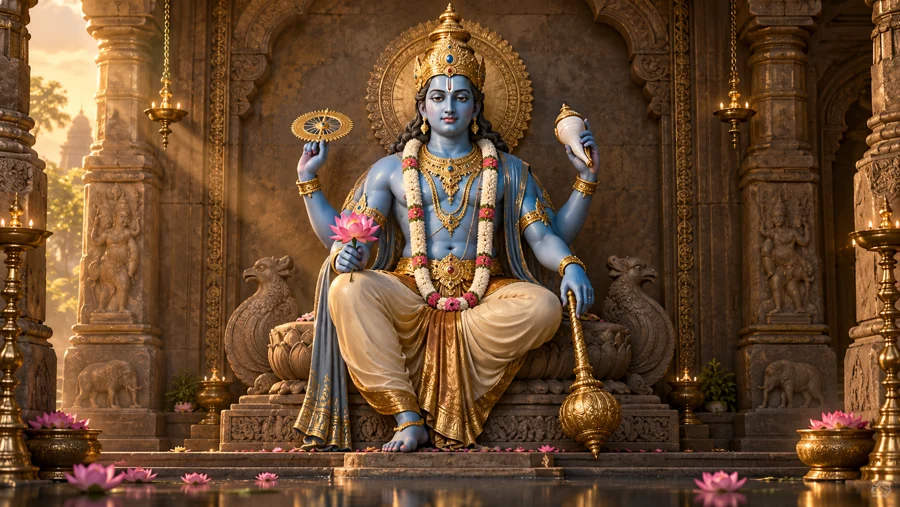
Illustrative depiction of Vishnu holding conch, discus, lotus and mace.
Illustrative collection artwork
Avatara Category / Yuga:
Srimad Bhagavata Purana (१.३ एवं २.७) • सात्त्वत तन्त्र • गरुड़ पुराण

भगवान् विष्णु के २४ पूर्णावतार एवं लीलावतार — The 24 Canonical Descents of Supreme Narayana

षड्विध अवतार वर्गीकरण (6 Avatar Categories)

Vedic theology categorizes Bhagavan's manifestations into six distinct categories: Purusha Avataras (Karanodakashayi, Garbhodakashayi, Kshirodakashayi), Guna Avataras (Brahma, Vishnu, Shiva), Lila Avataras (Matsya, Kurma, Varaha, etc.), Shaktyavesha Avataras (empowered souls: Kumaras, Narada, Kapila, Prithu, Parashurama, Vyasa), Manvantara Avataras (Yajna, etc.), and Yuga Avataras.

अनन्त अवतार एवं २४ स्वरूप (Infinite Manifestations)

Srimad Bhagavatam (1.3.26) proclaims: "अवतारा ह्यसंख्येया हरेः" — Lord Hari's descents are infinite like streams flowing from a boundless lake. The canonical 24 forms formulated in Canto 1 Chapter 3 serve as the sacred archetypes encompassing all cosmic preservation, philosophical wisdom, yoga, compassion, and divine love.

परम्परागत समन्वय (Non-Sectarian Harmony)

We honor all authentic Vedic traditions: in Gaudiya & Pushtimarg, Sri Krishna is venerated as Svayam Bhagavan ("कृष्णस्तु भगवान् स्वयम्", SB 1.3.28); in Sri Vaishnavism, Supreme Narayana is the transcendental fountainhead. Buddha is venerated for preaching universal Ahimsa & Karuna, and Rishabhadeva as the primordial Paramahamsa ascetic king.

अवतारा ह्यसंख्येया हरेः सत्त्वनिधेर्द्विजाः । यथाविदासिनः कुल्याः सरसः स्युः सहस्रशः ॥

"O learned Brahmanas, just as thousands of rivulets flow from an inexhaustible lake of clear water, so do innumerable incarnations descend from Sri Hari, the supreme reservoir of pure goodness." (श्रीमद्भागवत महापुराण १.३.२६)

Bhagavatam 1.3.26
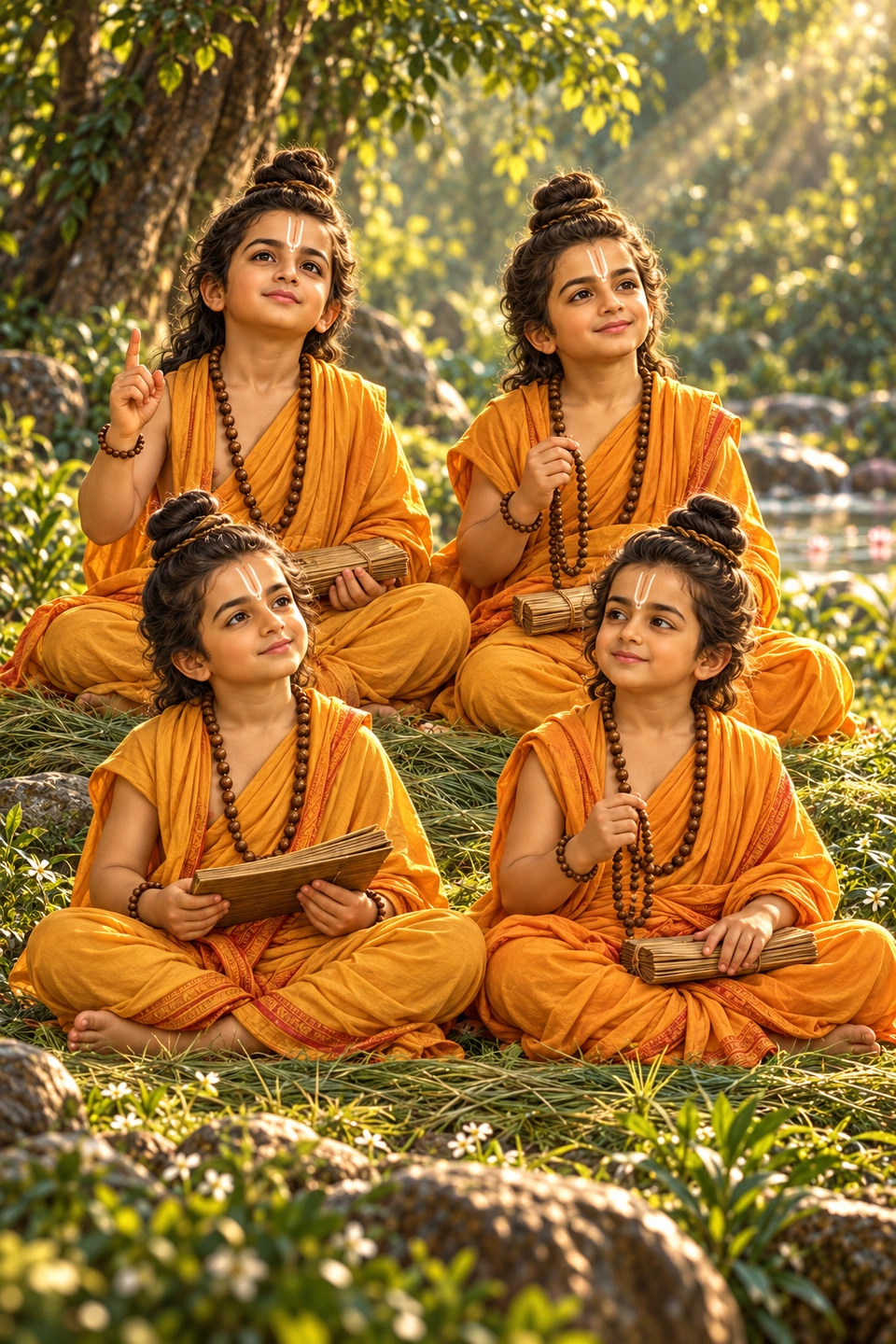
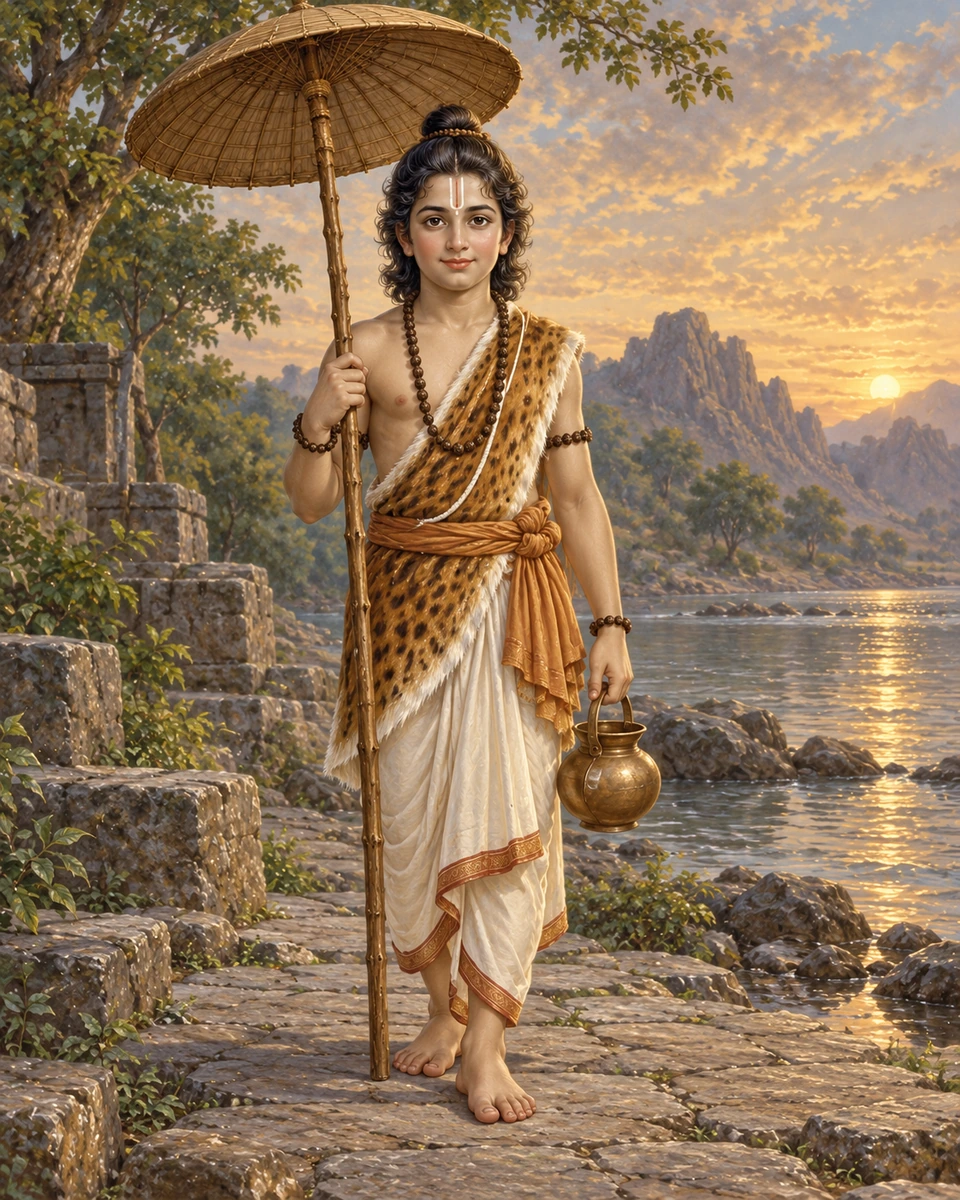
Original representative illustration of the four fully clothed youthful Kumaras seated together with palm-leaf manuscripts and rosaries.
Original editorial illustration

Shaktyavesha Avatara

Four Kumaras

१. चार कुमार (सनक, सनन्दन, सनातन, सनत्कुमार)

First manifestation of Bhagavan Vishnu as the Four Kumaras—the eternal boy-sages who refused material householder life to establish pure renunciation, Vedic Jnana, and the Nimbarka Sampradaya.

Explore Details
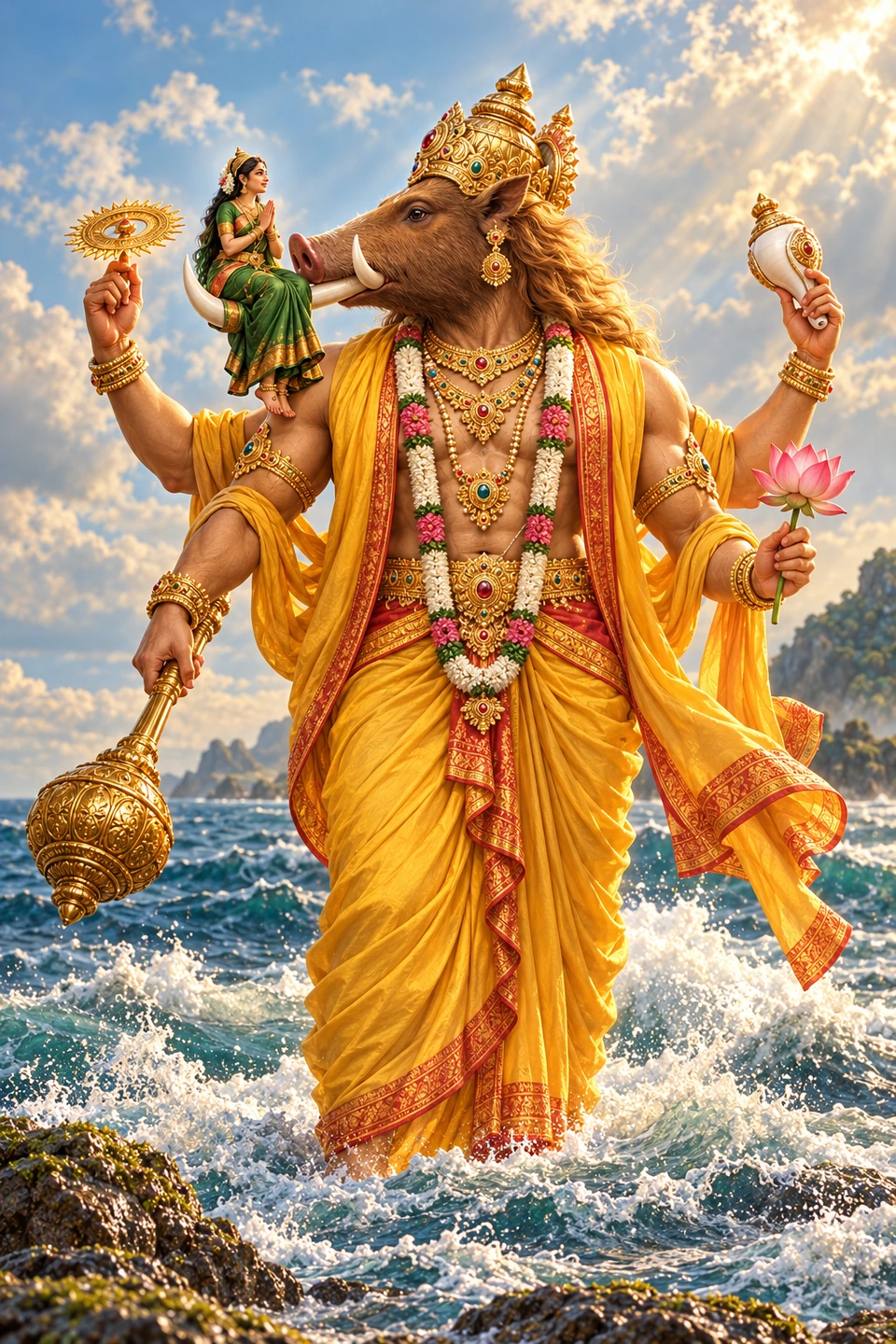
Original symbolic illustration of four-armed boar-headed Varaha holding conch, discus, mace and lotus, with green-clothed Bhudevi seated upon a mouth-rooted tusk above ocean water.
Original editorial illustration

Lila Avatara

Varaha

२. वराह अवतार

The second manifestation of Vishnu as the colossal Boar who rescued Mother Earth from the cosmic ocean and slew Hiranyaksha, embodying the complete Vedic Yajna.

Explore Details
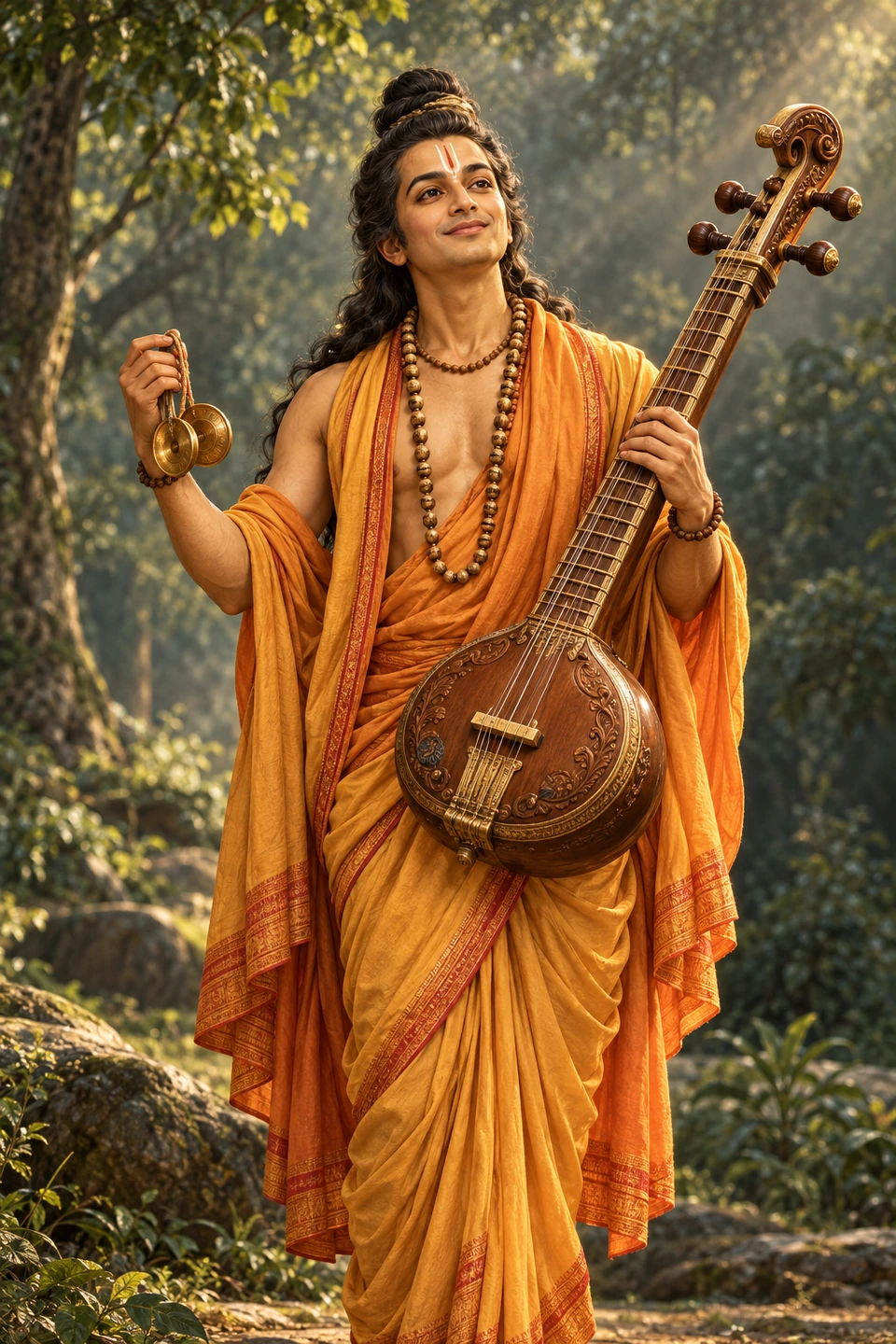
Original illustrative depiction of Narada Muni, based on this record’s reviewed form and identifying attributes.
Original editorial illustration

Shaktyavesha Avatara

Narada Muni

३. नारद मुनि

The third manifestation of Vishnu as Devarshi Narada—the immortal traveling sage who plays the celestial Mahathi Veena, spreading the ecstasy of Hari-Nama and pure Bhakti across the universe.

Explore Details
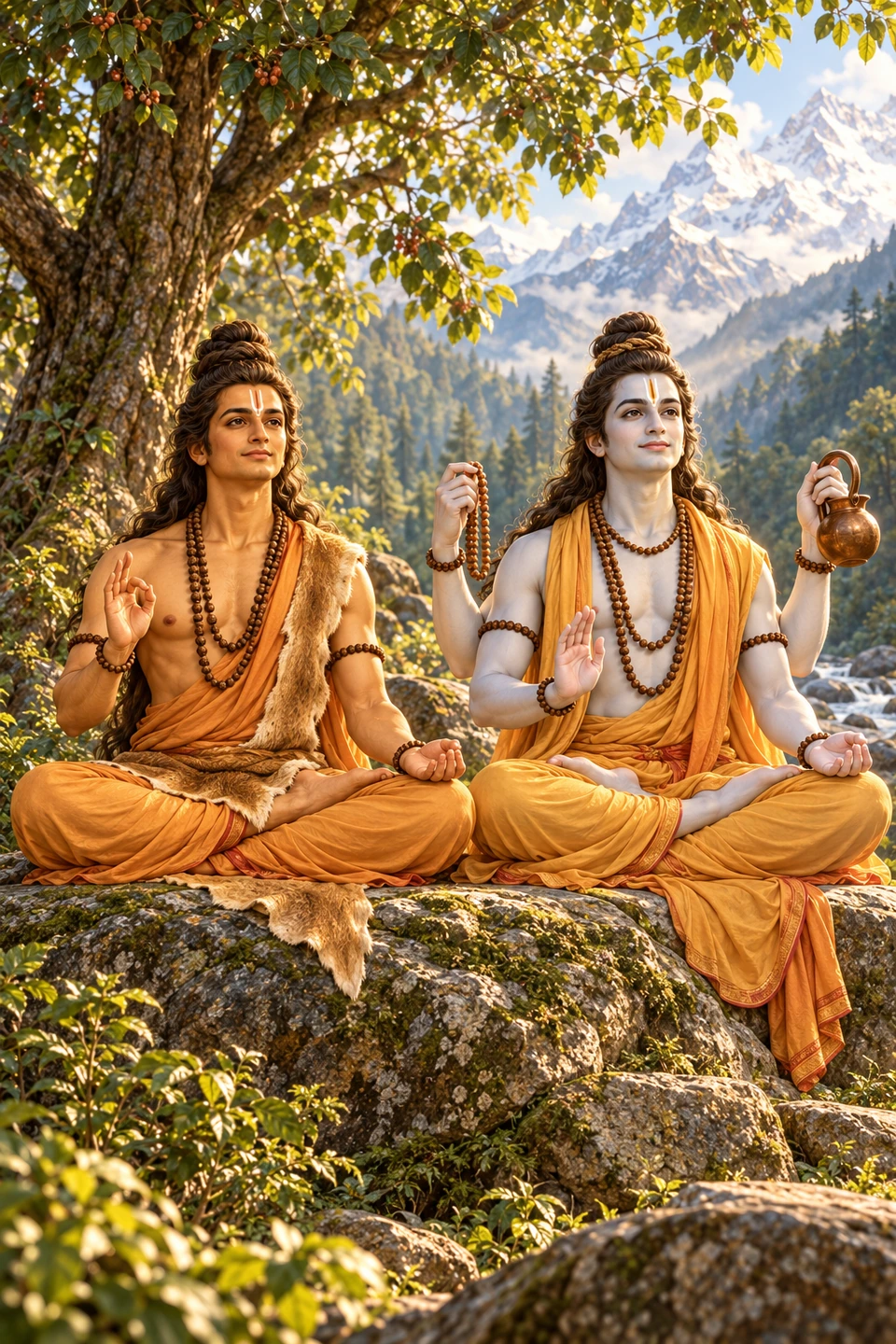
Original symbolic illustration of Nara with two arms and Narayana with four arms seated beneath a Badri tree in a Himalayan setting, with water pot, rosary and meditation gestures.
Original editorial illustration

Amsa Avatara

Nara-Narayana

४. नर-नारायण

The fourth manifestation of Vishnu as twin ascetic sages in Badarikashram who perform eternal tapasya, conquered lust and fear, and re-manifested in Dvapara Yuga as Arjuna and Krishna.

Explore Details
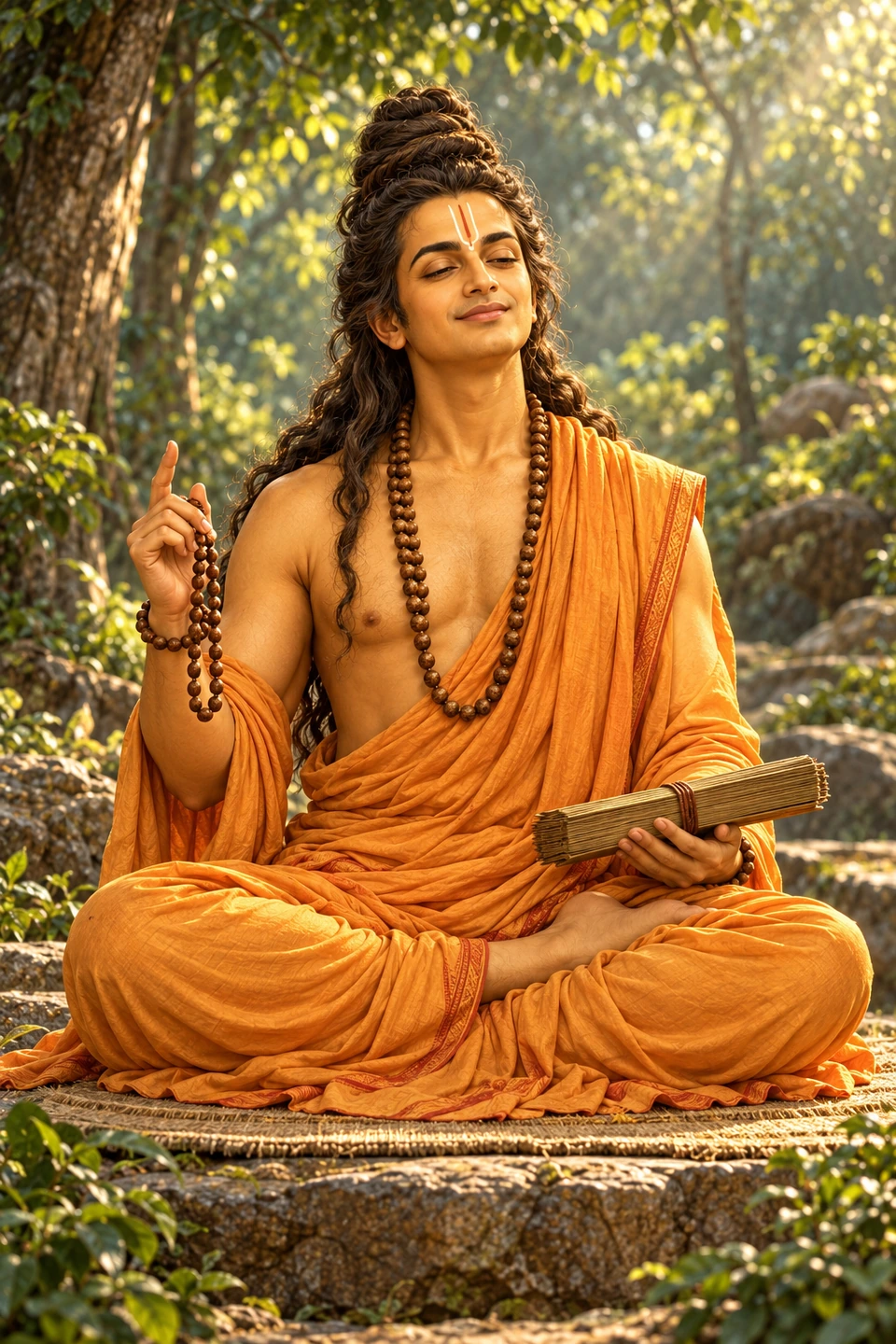
Original representative illustration of golden-complexioned Kapila Muni seated in meditation with a rosary and palm-leaf manuscript.
Original editorial illustration

Shaktyavesha Avatara

Kapila Muni

५. कपिल मुनि

The fifth manifestation of Vishnu as Sage Kapila who revealed the 24 material elements of Samkhya philosophy and taught his mother Devahuti the royal path of Bhakti-Yoga.

Explore Details
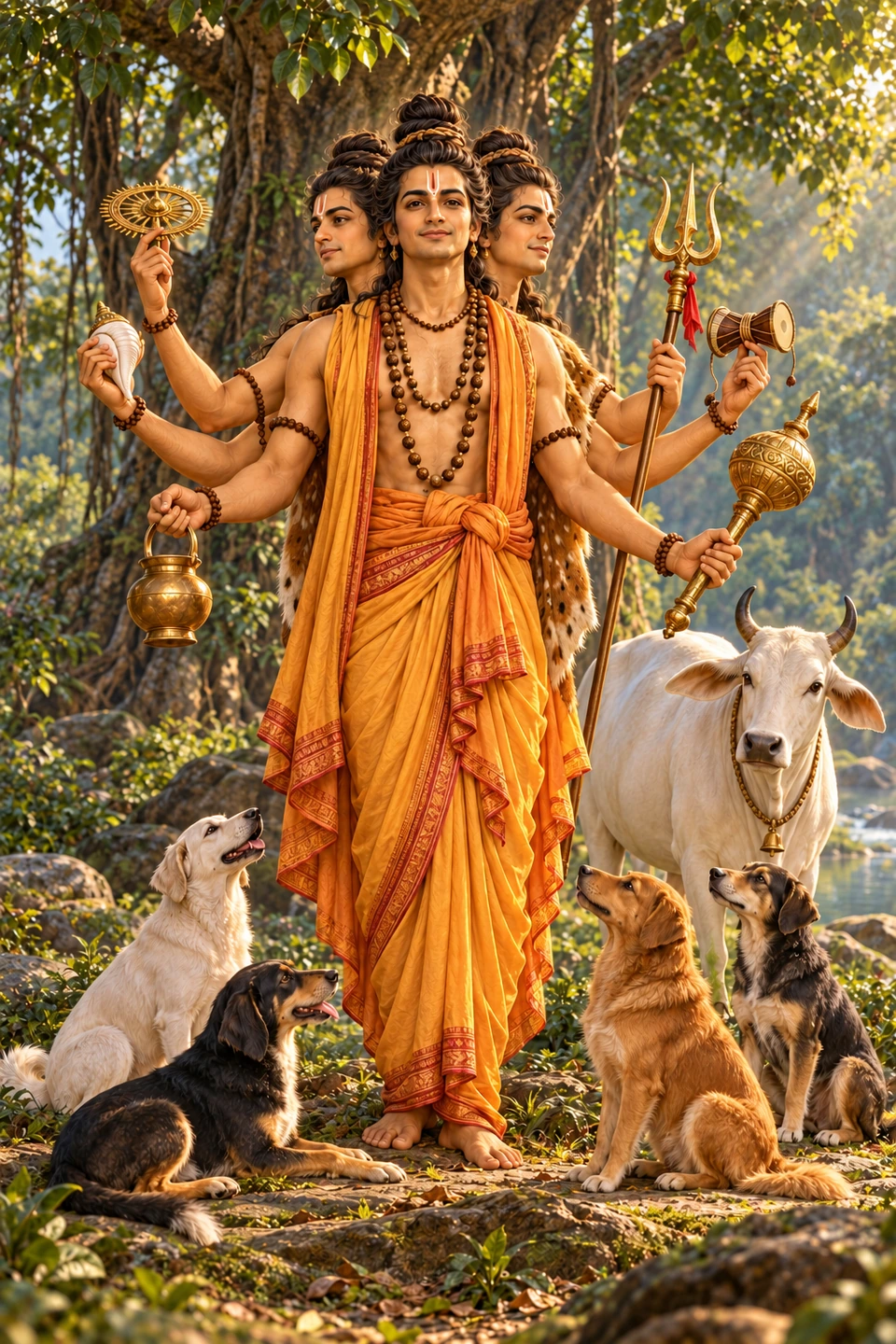
Original symbolic illustration of three-headed, six-armed Dattatreya holding trident, damaru, conch, discus, mace and water pot, accompanied by four dogs and one cow.
Original editorial illustration

Lila Avatara

Dattatreya

६. दत्तात्रेय

The sixth manifestation of Vishnu as Dattatreya—the Trimurti Avatara who learned from 24 natural Gurus, composed the Avadhuta Gita, and founded the Avadhuta and Nath traditions.

Explore Details
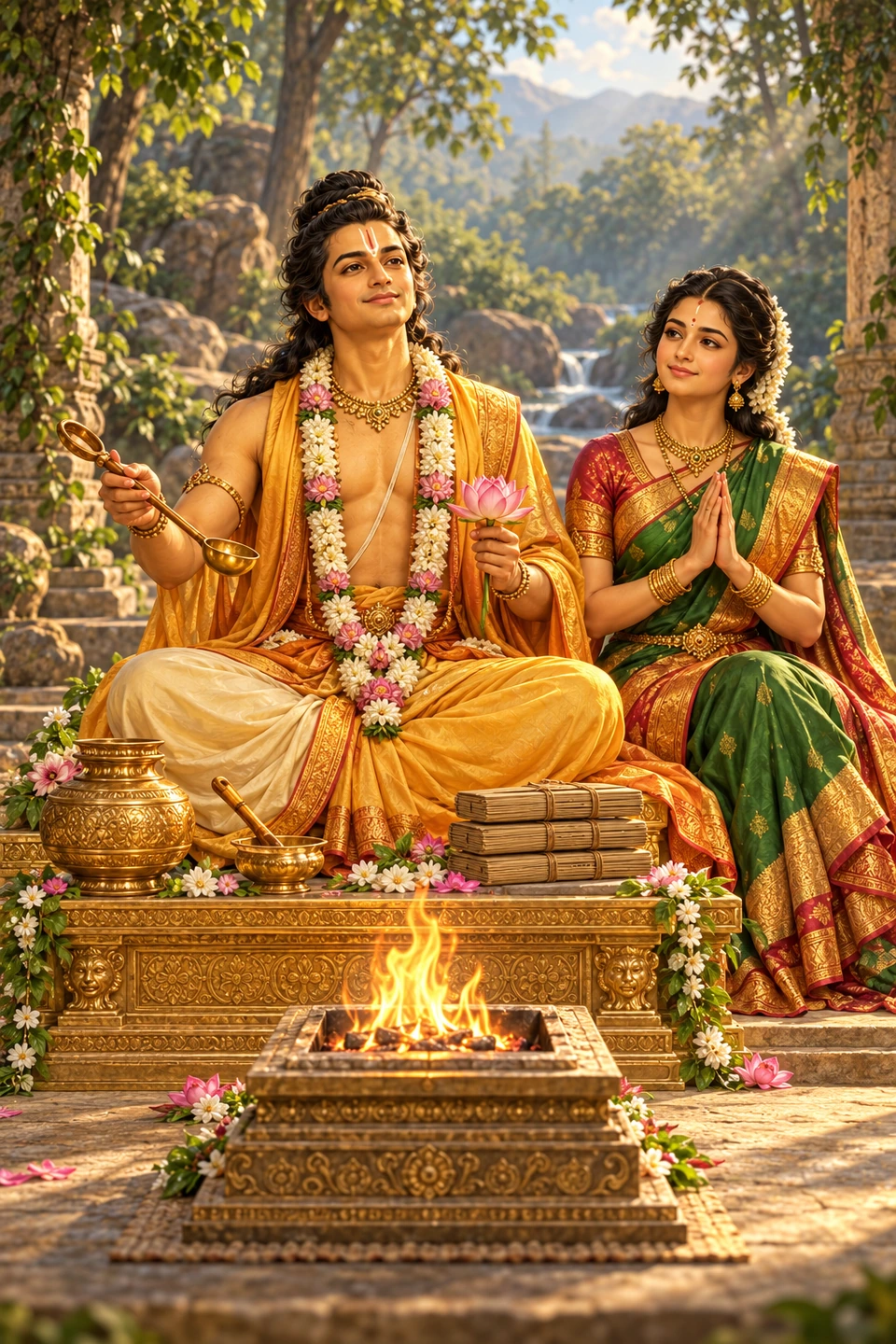
Original symbolic illustration of Yajna holding a sacrificial ladle and lotus beside Dakshina, with an altar fire, ritual vessel and manuscript bundles.
Original editorial illustration

Manvantara Avatara

Yajna

७. यज्ञ अवतार (सुयज्ञ)

The seventh manifestation of Vishnu as Yajna (Suyajna) who married Dakshina, fathered the 12 Yama devatas, ruled as Indra in the Svayambhuva Manvantara, and personified the Vedic sacrificial order.

Explore Details
Original representative illustration of mature Rishabhadeva seated in tranquil meditation, with matted hair and a plain modest cloth covering the lap and lower body.
Original editorial illustration

Shaktyavesha Avatara

Rishabhadeva

८. ऋषभदेव

The eighth manifestation of Vishnu as King Rishabhadeva—father of King Bharata (after whom India is named Bharatavarsha) and the 9 Nava-Yogendras, who exemplified the highest Paramahamsa renunciation.

Explore Details
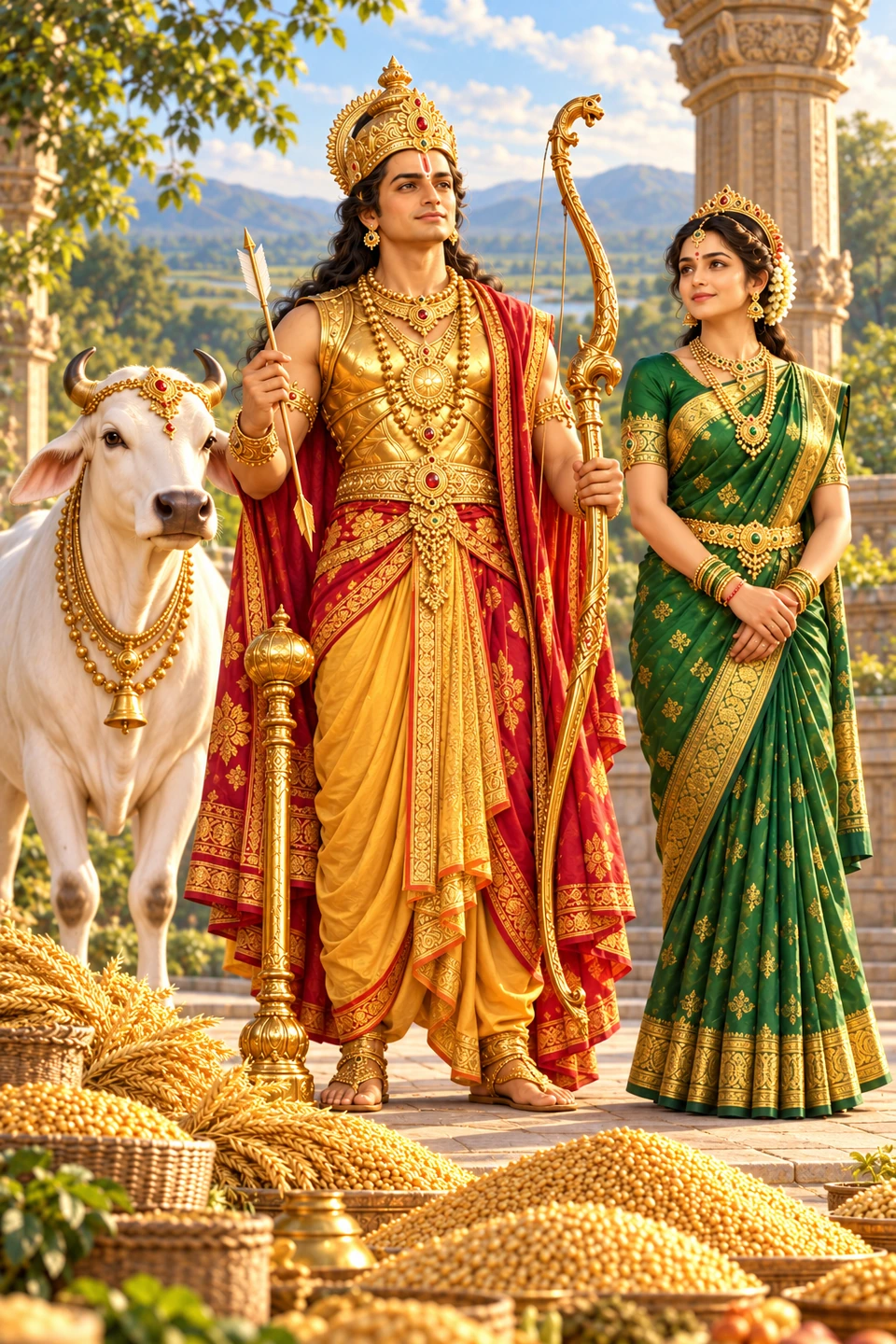
Original symbolic illustration of Prithu Maharaj standing upright beside Queen Archi and white cow Bhudevi, holding bow and arrow, with royal scepter and grain heaps.
Original editorial illustration

Shaktyavesha Avatara

Prithu Maharaj

९. पृथु महाराज

The ninth manifestation of Vishnu as Maharaj Prithu—the first crowned world sovereign (Adi Raja) who milked the Earth of all vegetation, planned the first cities and villages, and after whom the Earth is called Prithvi.

Explore Details
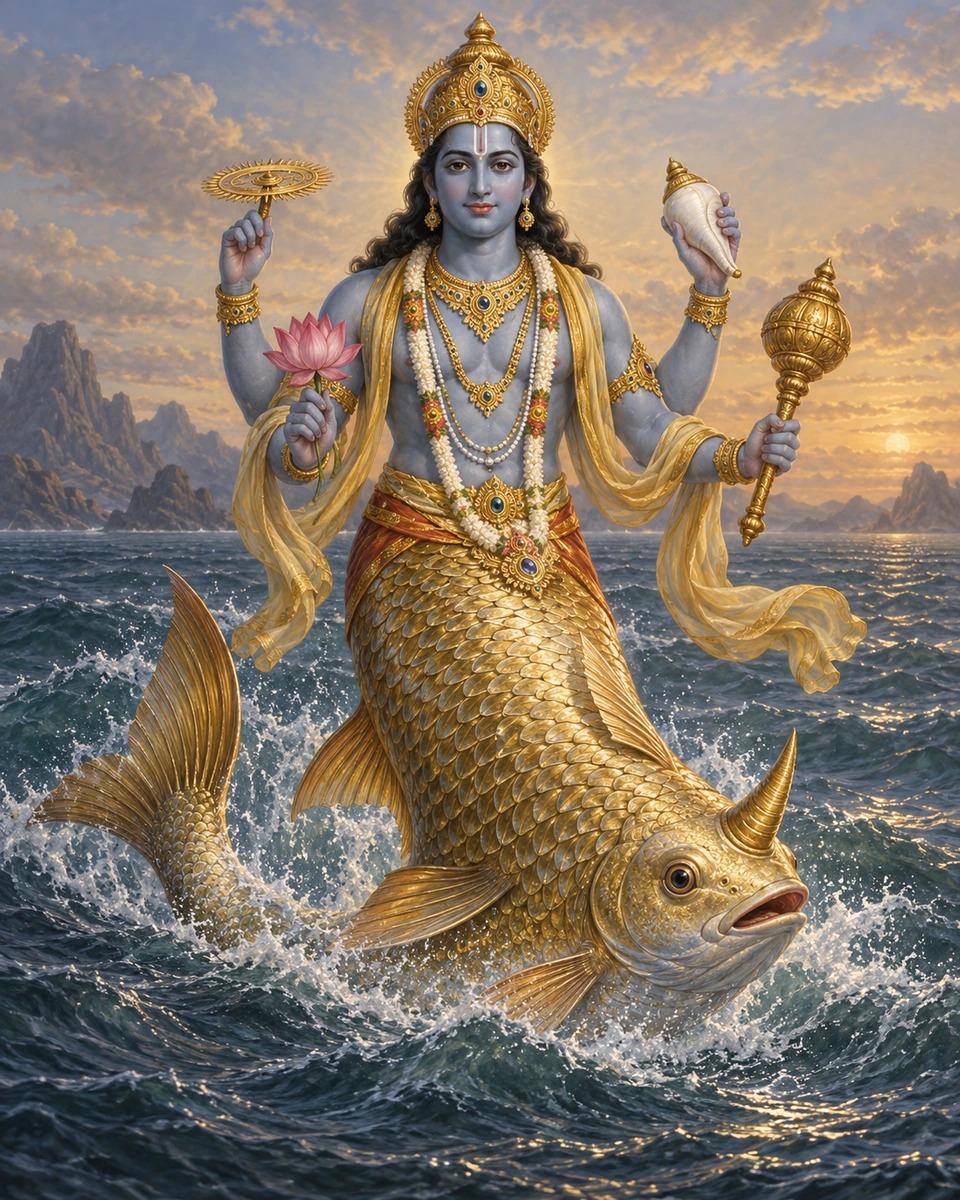
Original illustrative depiction of Matsya, based on this record’s reviewed form and identifying attributes.
Original editorial illustration

Lila Avatara

Matsya

१०. मत्स्य अवतार

The tenth manifestation of Vishnu in the 24-avatar list (first in Dashavatara) as the giant golden fish who saved Manu, the Saptarishis, and the sacred Vedas during the cosmic deluge.

Explore Details
Original editorial illustration: Kurma supports Mount Mandara above a calm ocean, with four-armed Vishnu and his conch, disc, mace and lotus.
Original editorial illustration

Lila Avatara

Kurma

११. कूर्म अवतार

The eleventh manifestation of Vishnu as Kurma—the colossal Tortoise who entered the cosmic ocean to bear Mount Mandara on His back during Samudra Manthan, manifesting Lakshmi and Amrita.

Explore Details
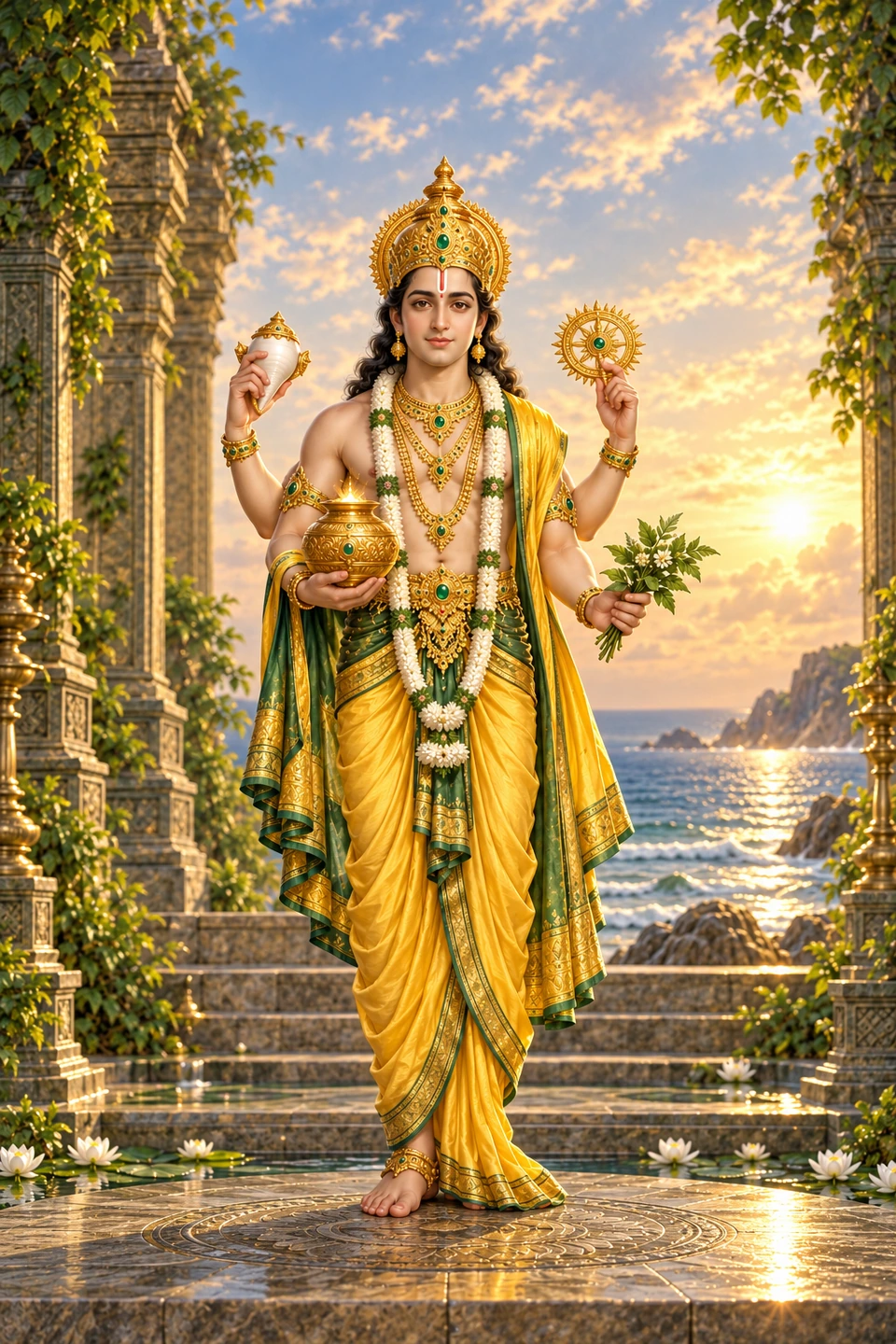
Original editorial illustration: Four-armed Dhanvantari holds an Amrita pot, medicinal herbs, a conch and a chakra disc.
Original editorial illustration

Lila Avatara

Dhanvantari

१२. धन्वन्तरि

The twelfth manifestation of Vishnu as Dhanvantari—the divine physician who emerged from Samudra Manthan with the Amrita Kalasha, revealed Ayurveda, and is worshipped on Dhanteras (National Ayurveda Day).

Explore Details
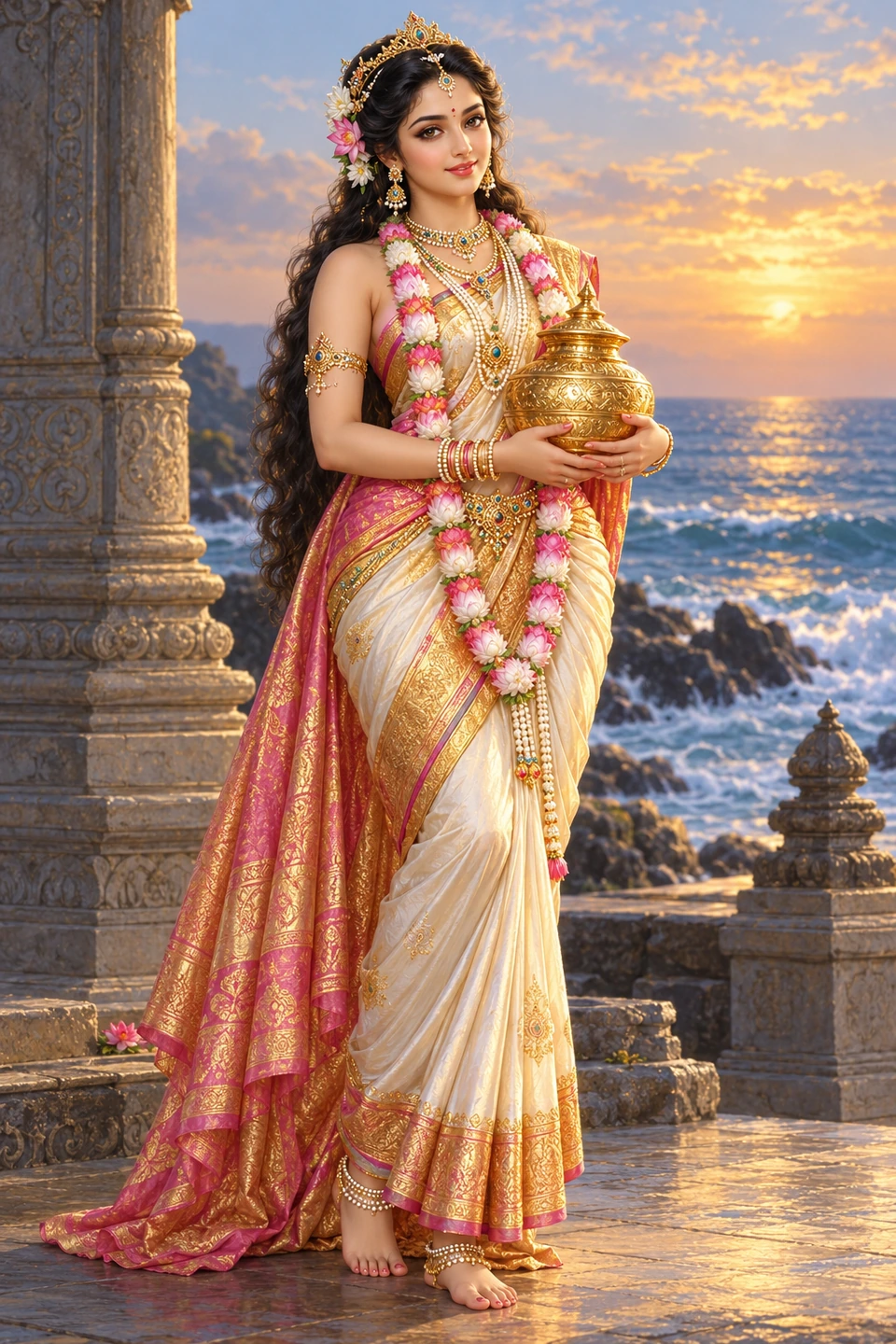
Original editorial illustration: Mohini in silk and pearl ornaments holds the golden Amrita vessel.
Original editorial illustration

Lila Avatara

Mohini

१३. मोहिनी अवतार

The thirteenth manifestation of Vishnu as Mohini—the divine enchantress who recovered the Amrita from the Asuras, protected cosmic Dharma, and eliminated Bhasmasura.

Explore Details
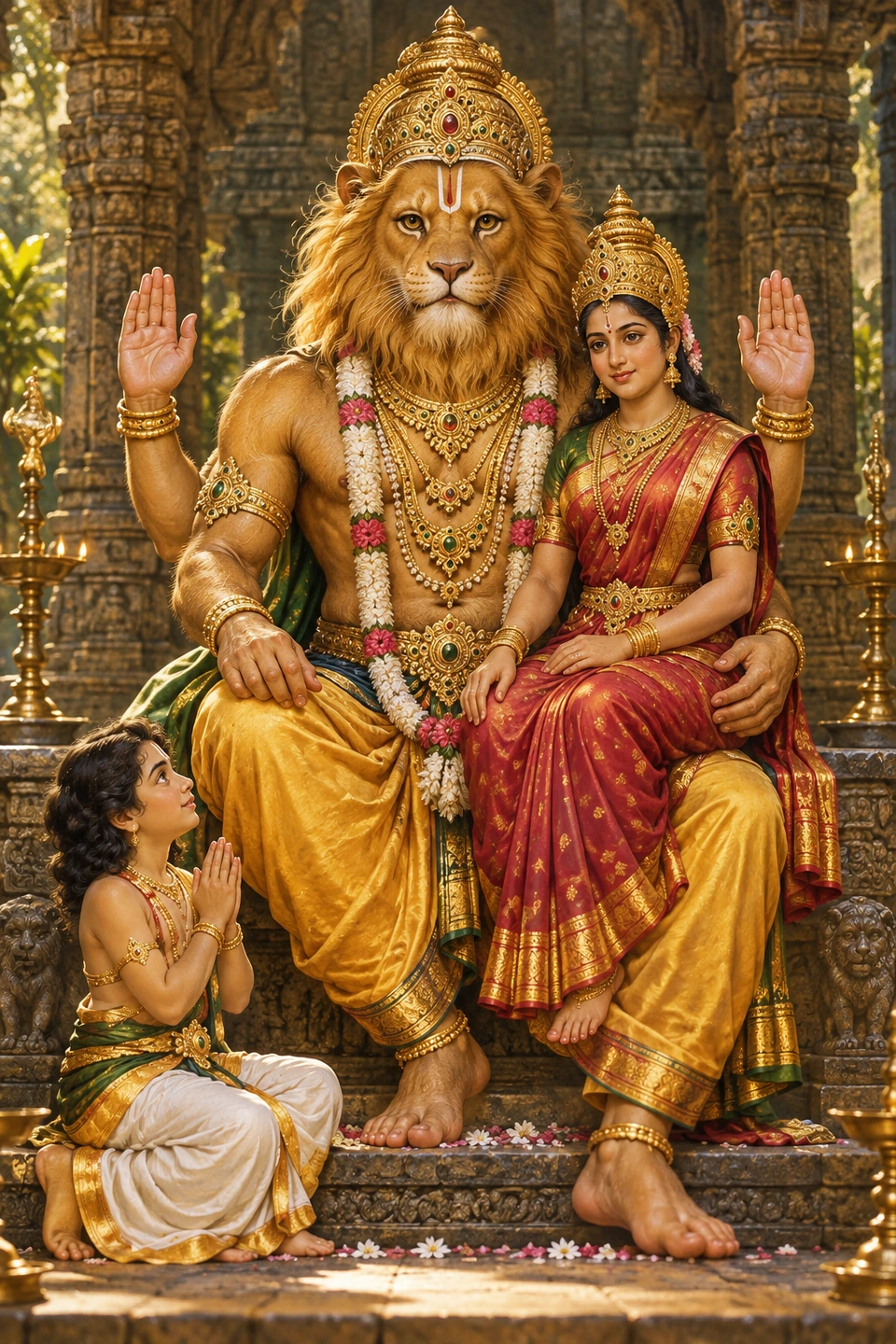
Original editorial illustration: The calm Lakshmi-Narasimha representative form, with Lakshmi seated and Prahlada in prayer.
Original editorial illustration

Lila Avatara

Narasimha

१४. नृसिंह अवतार

The fourteenth manifestation of Vishnu in the 24-avatar list (fourth in Dashavatara) as half-man, half-lion who burst from a palace pillar to protect Prahlada and slay Hiranyakashipu.

Explore Details
Original illustrative depiction of Vamana, based on this record’s reviewed form and identifying attributes.
Original editorial illustration

Lila Avatara

Vamana

१५. वामन अवतार (त्रिविक्रम)

The fifteenth manifestation of Vishnu in the 24-avatar list (fifth in Dashavatara) as the dwarf Brahmin Vamana who expanded into Trivikrama to reclaim the cosmos in three steps and elevate King Bali.

Explore Details
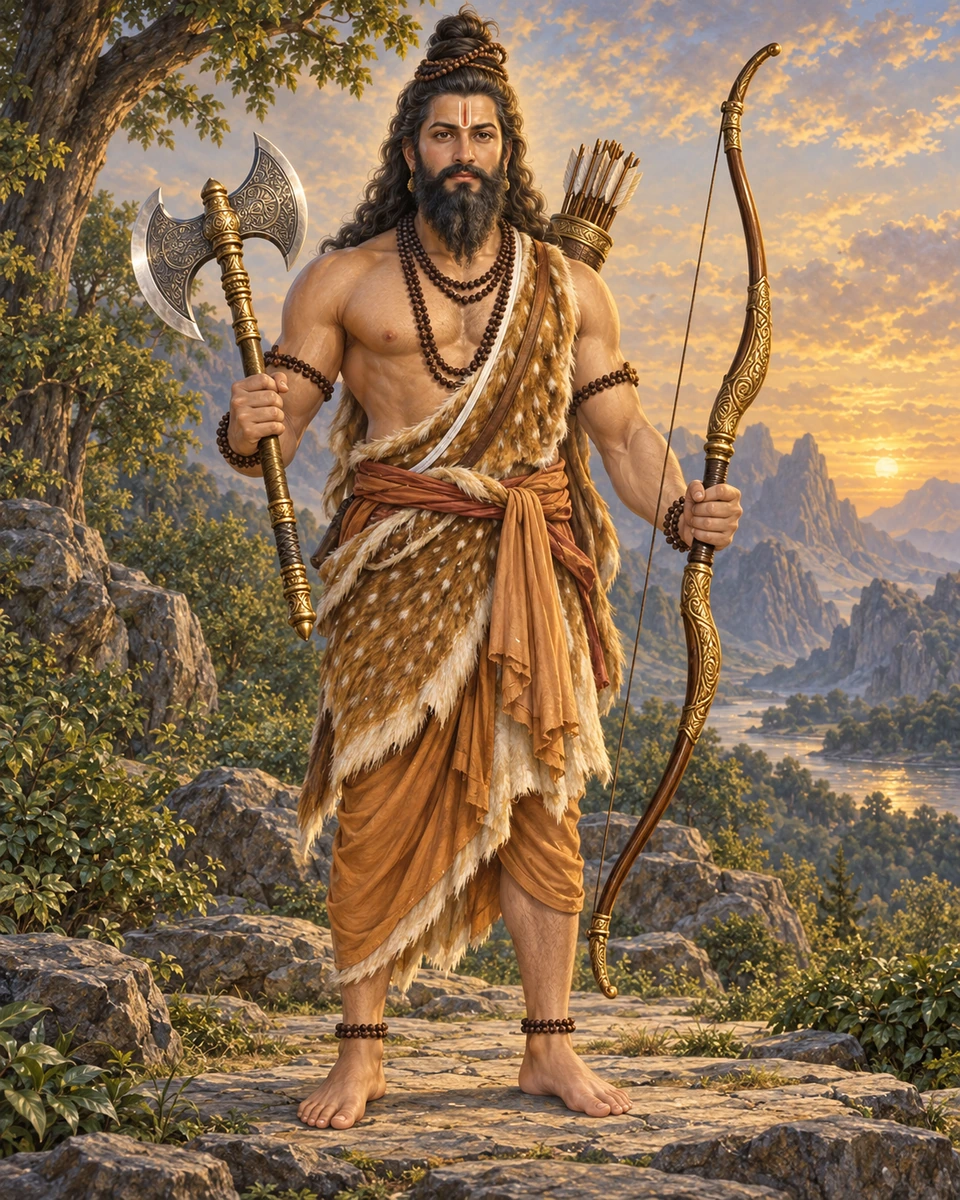
Original illustrative depiction of Parashurama, based on this record’s reviewed form and identifying attributes.
Original editorial illustration

Shaktyavesha Avatara

Parashurama

१६. परशुराम अवतार

The sixteenth manifestation of Vishnu in the 24-avatar list (sixth in Dashavatara) as the immortal warrior-sage Parashurama who annihilated corrupt tyranny and reclaimed the Konkan-Kerala coast.

Explore Details
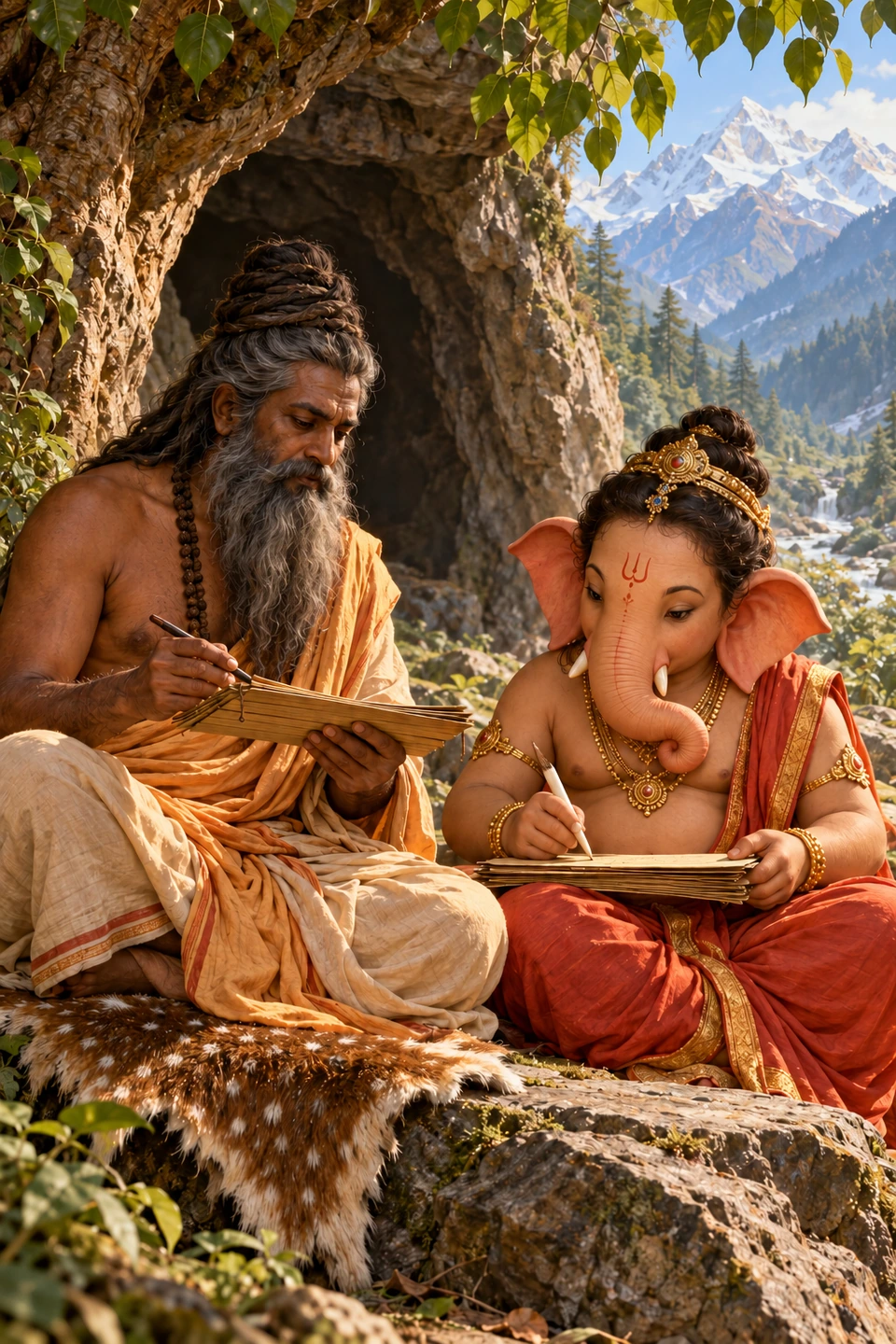
Original editorial illustration: Veda Vyasa and Ganesha with palm-leaf manuscripts in a Himalayan cave setting.
Original editorial illustration

Shaktyavesha Avatara

Veda Vyasa

१७. वेदव्यास (कृष्णद्वैपायन)

The seventeenth manifestation of Vishnu as Veda Vyasa—the Adi Guru who arranged the four Vedas, composed the 18 Puranas, Mahabharata, Brahma Sutras, and Srimad Bhagavatam, celebrated on Guru Purnima.

Explore Details
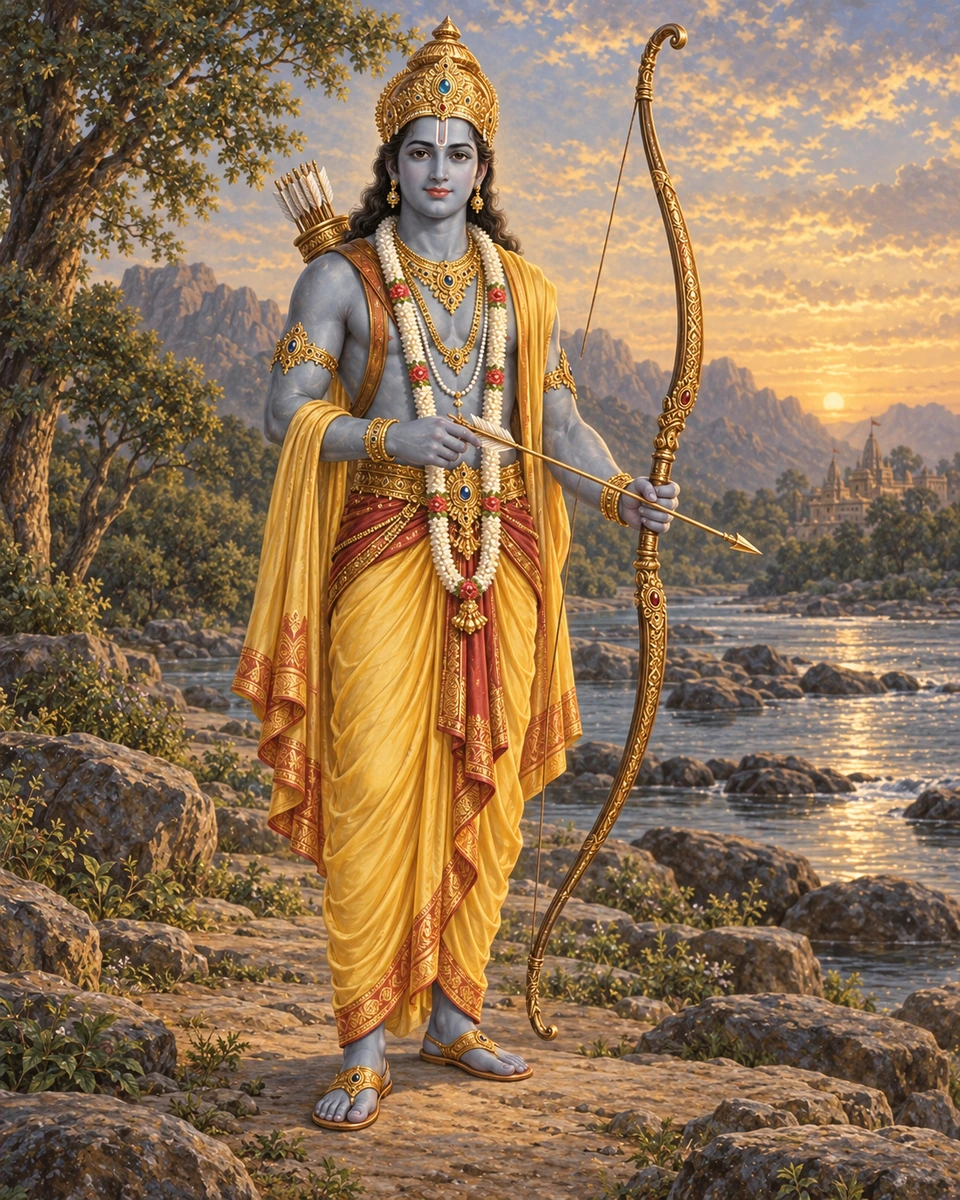
Original illustrative depiction of Sri Rama, based on this record’s reviewed form and identifying attributes.
Original editorial illustration

Purna Avatara

Sri Rama

१८. श्री राम अवतार

The eighteenth manifestation of Vishnu in the 24-avatar list (seventh in Dashavatara) as Maryada Purushottama Sri Rama—the embodiment of truth, filial duty, and ideal governance.

Explore Details
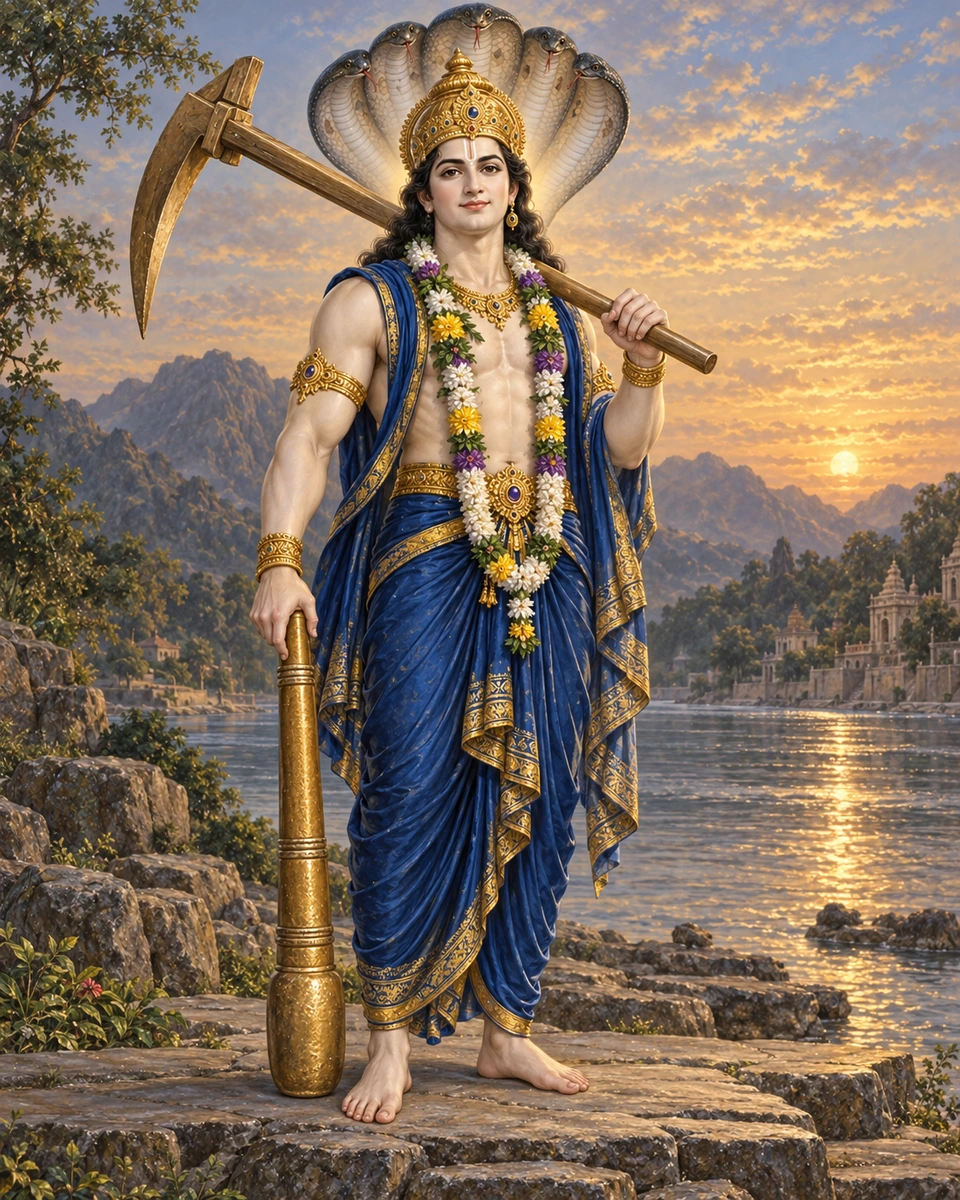
Original illustrative depiction of Balarama, based on this record’s reviewed form and identifying attributes.
Original editorial illustration

Lila Avatara

Balarama

१९. बलराम अवतार

The nineteenth manifestation of Vishnu as Balarama—the mighty elder brother of Krishna, bearer of the golden plough (Hala), embodiment of spiritual strength, and revered at Puri Jagannath as Balabhadra.

Explore Details
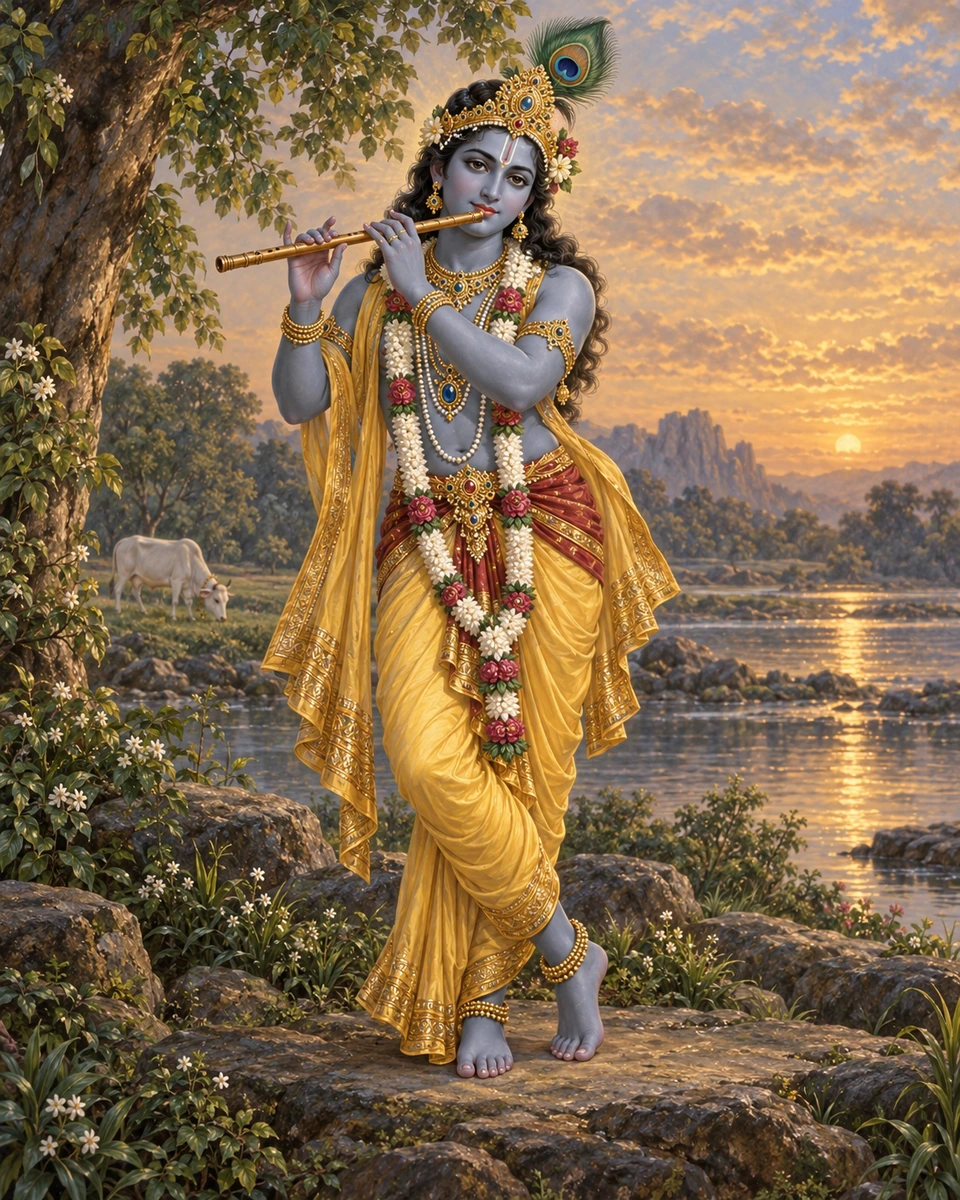
Original illustrative depiction of Sri Krishna, based on this record’s reviewed form and identifying attributes.
Original editorial illustration

Purna Avatara

Sri Krishna

२०. श्री कृष्ण अवतार (स्वयं भगवान्)

The twentieth manifestation of Vishnu in the 24-avatar list (eighth in Dashavatara), revered across Vaishnava traditions as 'Svayam Bhagavan'—the fountainhead of all avatars who spoke the Bhagavad Gita.

Explore Details
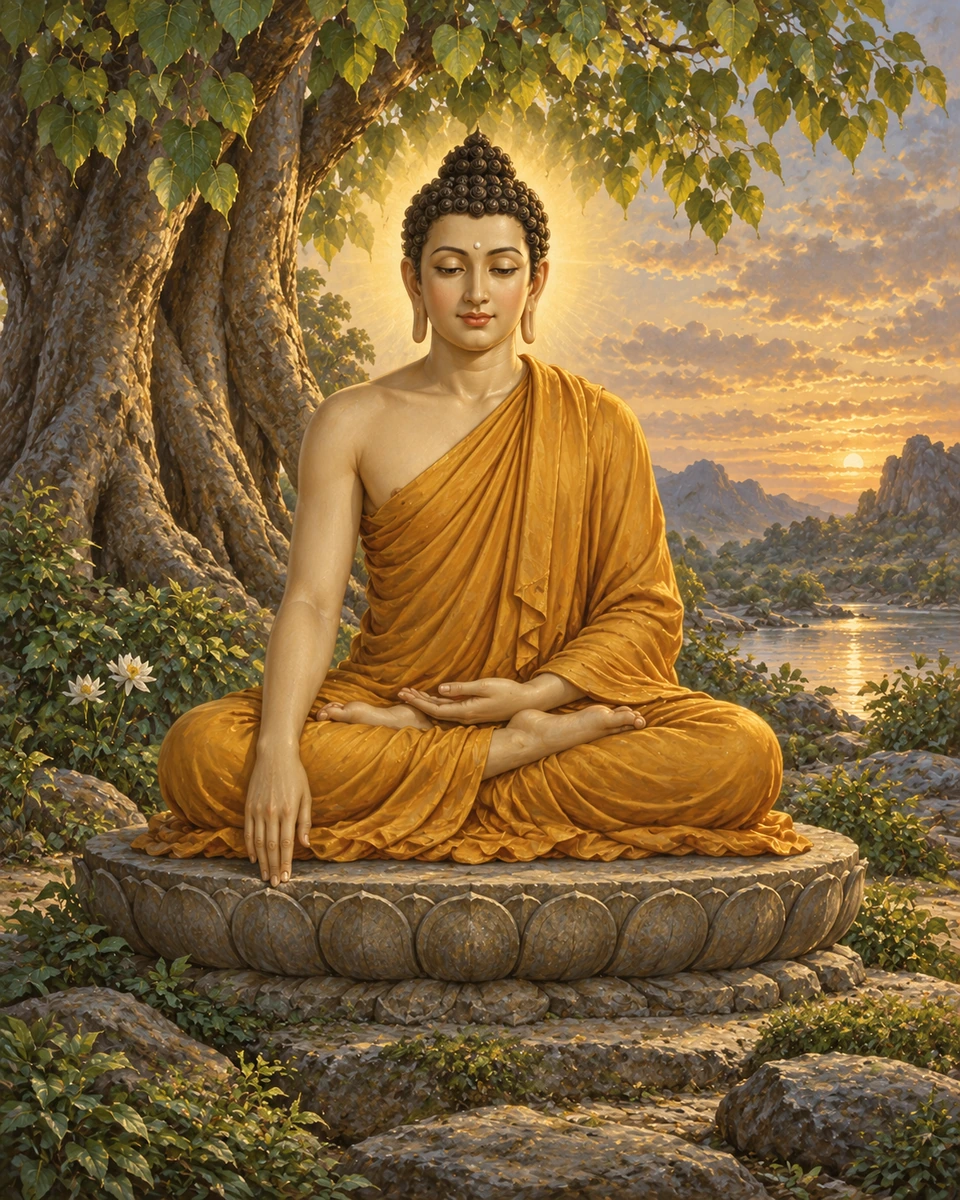
Original illustrative depiction of Buddha, based on this record’s reviewed form and identifying attributes.
Original editorial illustration

Shaktyavesha Avatara

Buddha

२१. बुद्ध अवतार

The twenty-first manifestation of Vishnu in the 24-avatar list (ninth in Dashavatara Tradition A) as Siddhartha Gautama who preached Ahimsa (non-violence), compassion for all living beings, and the Middle Path.

Explore Details
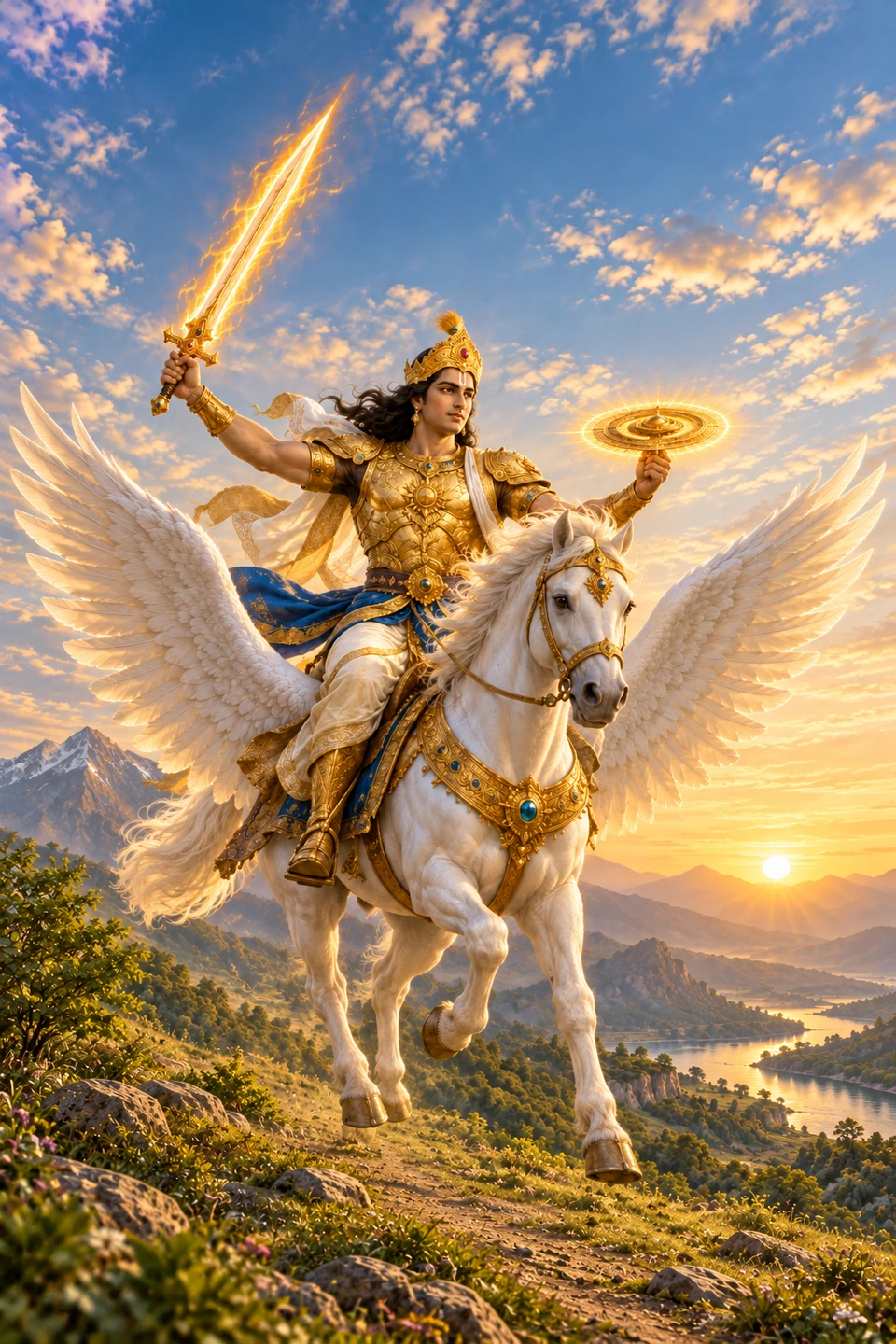
Original editorial illustration: Kalki on the white winged Devadatta, holding a luminous sword and chakra.
Original editorial illustration

Lila Avatara

Kalki

२२. कल्कि अवतार

The twenty-second manifestation of Vishnu in the 24-avatar list (tenth in Dashavatara)—the prophesied future incarnation who will appear on white horse Devadatta to close Kali Yuga and inaugurate Satya Yuga.

Explore Details
Original editorial illustration: The white celestial Hamsa swan above Brahma and the four Kumaras.
Original editorial illustration

Lila Avatara

Hamsa

२३. हंसावतार

The twenty-third manifestation of Vishnu as Hamsa—the celestial Swan who appeared before Brahma and the Four Kumaras to deliver the immortal Hamsa Gita, teaching pure spiritual discrimination (Viveka).

Explore Details
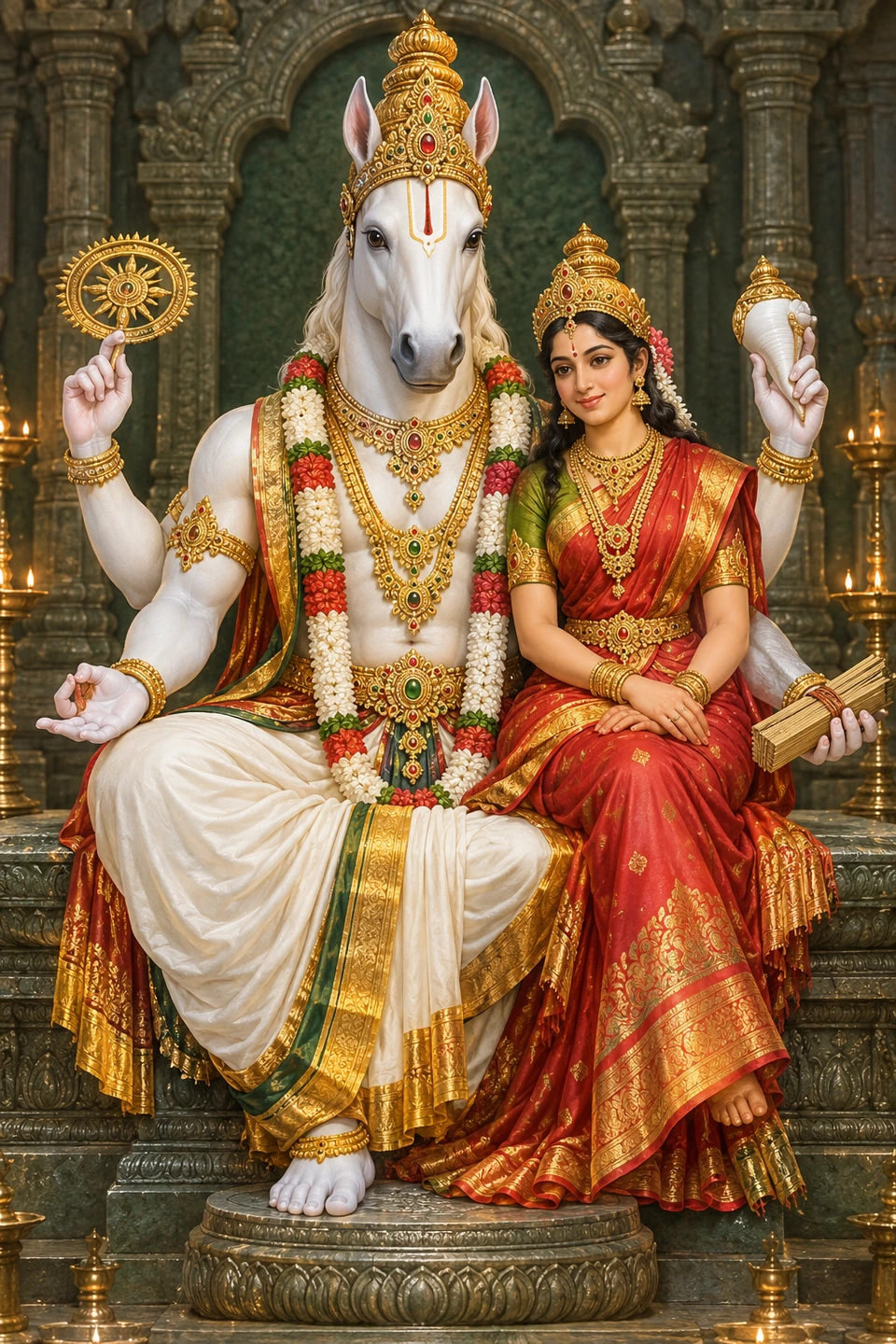
Original editorial illustration: Four-armed white horse-headed Hayagriva with Lakshmi, conch, chakra, manuscript and Chin Mudra.
Original editorial illustration

Lila Avatara

Hayagriva

२४. हयग्रीव अवतार

The twenty-fourth manifestation of Vishnu as Hayagriva—the horse-headed Lord of supreme wisdom who recovered the Vedas from Madhu-Kaitabha, revealed Lalita Sahasranama to Sage Agastya, and is the presiding deity of learning.

Explore Details